
Overview
On April 18, 2026, Lucas Ameh Avery Knapp was killed in the Candy Kitchen / Ramah region of Cibola County, New Mexico. Luca was known throughout rural and queer community networks as a homesteader, farmer, artist, musician, caretaker, and advocate. For many, Luca represented survival, creativity, mutual aid, and queer existence in places where visibility often comes with risk.
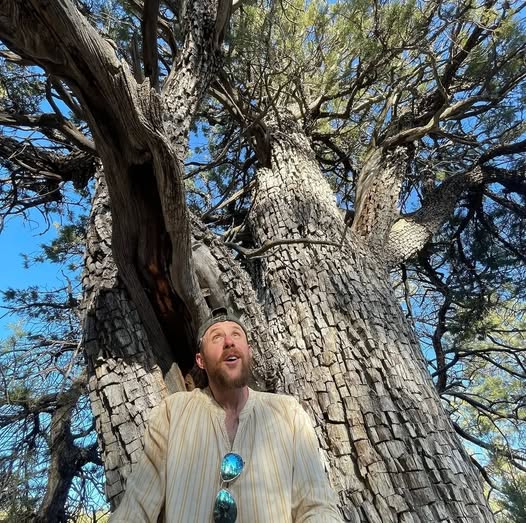
Since the homicide, court records, affidavits, indictments, and agency responses have revealed a case that is both deeply serious and procedurally complex. What follows is a factual overview rooted in publicly available filings, court activity, and official responses, not speculation. The goal is transparency, clarity, and preservation of the public record as it currently exists.
The Incident
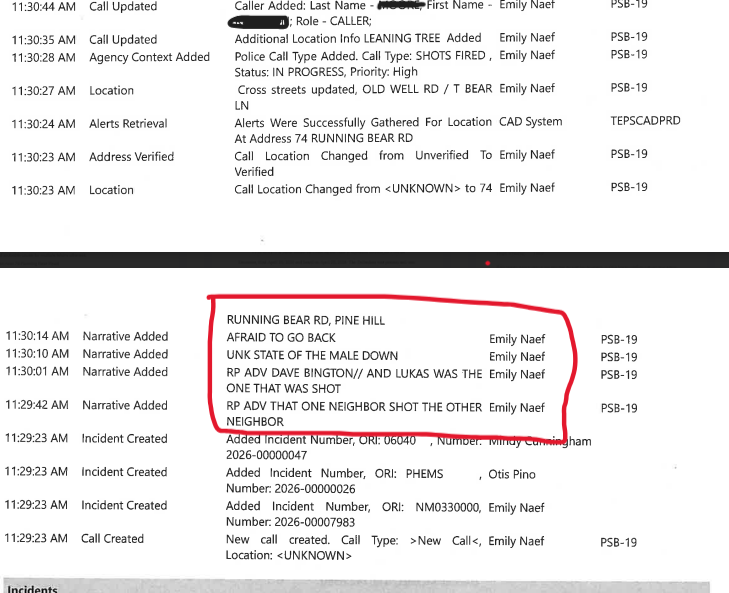
According to the sworn affidavit filed by Detective April Salazar of the Cibola County Sheriff’s Office, deputies were dispatched on April 18, 2026 at approximately 11:29 a.m. to reports of shots fired in the Candy Kitchen area of Cibola County.
The reported scene location was:
74 Running Bear Road
Ramah / Pine Hill area, New Mexico.
According to the affidavit, Tania Byington told investigators that she and David Thomas Byington were riding ATVs when they encountered Luca. The affidavit states an argument occurred between David Byington and Luca before David allegedly exited the ATV carrying a “rifle-style firearm.”
The affidavit further states:
- multiple shots were fired;
- Luca was struck in the midsection;
- and witnesses observed Luca fall to the ground.
Witness (redacted by author) reportedly stated David Byington shot Luca multiple times during the confrontation. Another witness, (redacted by author), reportedly heard approximately five to six gunshots. Detective Brandon Mariano reportedly recovered multiple .223 caliber shell casings at the scene, according to the affidavit.
The affidavit additionally alleges:
- David Byington fled in a gray Ford Ranger after the shooting;
- Tania Byington did not contact emergency services afterward;
- and David allegedly instructed her to “don’t tell anyone.”
Detective Salazar included these statements directly within the probable cause affidavit he filed in court.
The Charges Changed Over Time
One of the most significant developments in the public record involves how the charges evolved after the initial arrests.
Initial Magistrate Charges
Magistrate Case:
M-61-FR-202600067
Initially reflected charges against Tania Byington for:
- Second Degree Murder;
- and Tampering with Evidence.
Court records later show:
“Notice of Dismissal of Count 1 only”
dated April 21, 2026.
That dismissal removed the Second Degree Murder allegation against Tania Byington at the magistrate level.
Meanwhile, District Court records later showed David Byington indicted under:
D-1333-CR-202600056
for:
- Second Degree Murder;
- Tampering with Evidence;
- Assault With Intent to Commit a Violent Felony.
Earlier filings and public reporting had also referenced:
- “shooting at or from a vehicle causing death”;
- and “felon in possession of a firearm.”
Those charges no longer appear in the later grand jury indictment currently reflected in public case records.
This matters because changes in charging structure often reflect:
- prosecutorial strategy;
- evolving evidence;
- witness credibility assessments;
- or grand jury findings.
While charge modifications are not uncommon in homicide prosecutions, they naturally generate public questions about what evidence changed between the arrest stage and indictment stage.
The October 11, 2025 Date Discrepancy
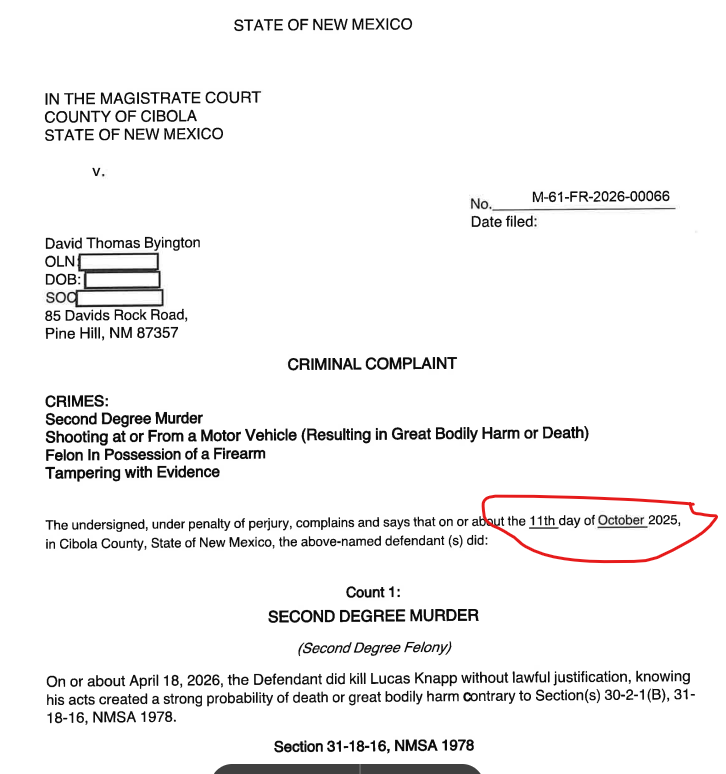
A major unresolved issue in the public record involves repeated references within affidavit materials to:
October 11, 2025
despite the homicide occurring on April 18, 2026.
That earlier date appears multiple times in sworn arrest affidavit language. Publicly available filings have not clearly explained:
- whether the reference was clerical;
- whether it reflected a prior law-enforcement interaction;
- or whether another underlying incident occurred involving the same individuals.
This discrepancy became especially important because:
- prosecutors later referenced prior interpersonal conflict;
- affidavits referenced ongoing tension;
- and public discussion increasingly focused on whether earlier documented incidents existed.
As of now, no public filing has fully clarified the significance of the October 11, 2025 reference.
Questions About the Scene Location
Public reporting early in the case sometimes described the homicide as occurring:
- at another person’s residence;
- or “outside the victim’s home.”
Court materials later specified:
74 Running Bear Road
as the location tied to the confrontation.
Separately, publicly discussed tax property records associated Luca’s residence with/on:
Running Bear Road
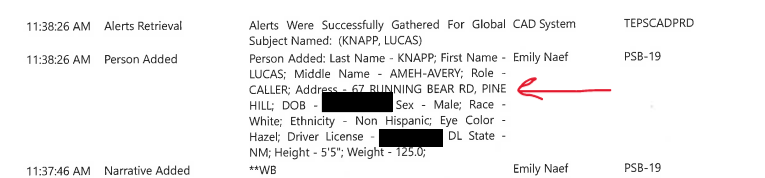
This distinction matters because:
- neighboring parcels,
- land access,
- property boundaries,
- and proximity between residences
can become highly relevant in criminal investigations involving:
- rural disputes,
- alleged trespassing,
- or confrontation narratives.
Determining the exact site of the shooting and the relationship between the involved parcels is vital for ensuring factual accuracy.
The Vehicle Allegation Shifted
Earlier charging documents referenced:
“shooting at or from a vehicle causing death.”
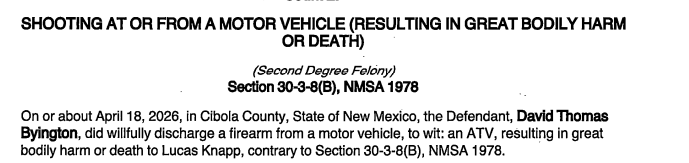
Later indictments no longer reflected that allegation.
At the same time:
- affidavits referenced ATVs;
- witness accounts referenced movement between vehicles;
- and David Byington allegedly later fled in a Ford Ranger.
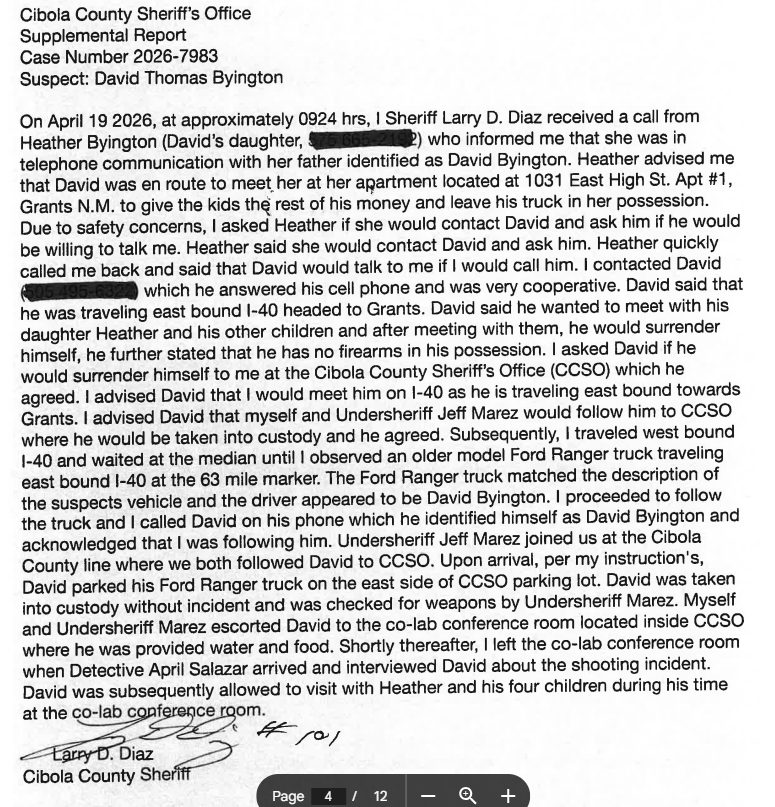
This creates a notable inconsistency between:
- preliminary charging language;
- later indictment structure;
- and the narrative reflected in affidavits.
It is important to understand that this situation does not inherently point to any fault or misconduct on the part of the prosecutors or the investigators involved. However, it cultivates legitimate public interest regarding:
- how the shooting unfolded;
- where the firearm was discharged from;
- and why that specific charge was later removed.
Evidence and Witness Variations
The public filings currently contain variations regarding:
- how many shots were fired;
- how events unfolded;
- and how witnesses perceived the confrontation.
Examples include:
- Tania Byington reportedly hearing approximately three shots;
- witness (redacted by author) reportedly hearing five to six shots;
- and multiple .223 shell casings reportedly recovered.
When traumatic incidents occur, finding discrepancies of this nature is a phenomenon that is not typically unusual. High stress often causes witness perception to vary, which observers frequently notice. However, in homicide prosecutions, these differences become important because:
- shell casing counts;
- ballistic reconstruction;
- firing sequence analysis;
- and witness positioning
can materially affect how investigators reconstruct the event.
Additional Potential Victims
Earlier reporting and public discussion referenced:
- another individual allegedly being shot at or endangered during the incident.
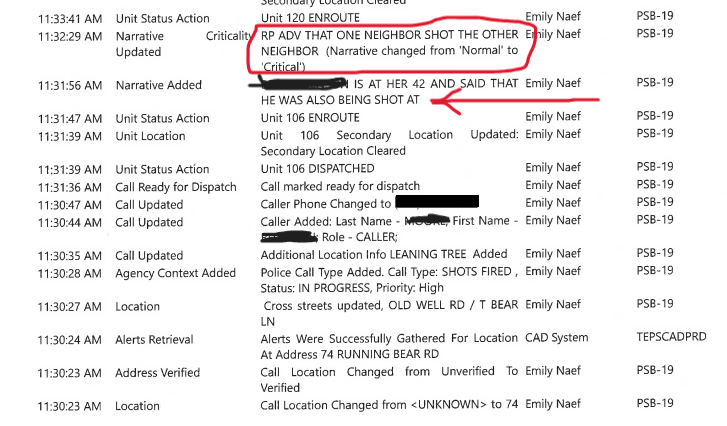
Later court filings included:
Assault With Intent to Commit a Violent Felony
among the charges against David Byington.
The charge indicates prosecutors could be of the opinion that a distinct person faced threats or became a target during the incident. However, public filings have not fully clarified:
- who that person was;
- whether they were injured;
- or their exact role in the confrontation.
The Pretrial Detention Motion
One of the strongest prosecutorial filings publicly available is the State’s expedited motion for pretrial detention filed against David Byington.
In that motion, prosecutors argued:
“Defendant is a danger because he escalated an argument into a shooting that resulted in the death of another man.”
The motion further stated:
“There is no evidence that Defendant was reasonably provoked or acting in self defense.”
The filing additionally alleges:
- David Byington admitted to shooting Luca;
- and allegedly directed investigators to where the firearm had been buried.
The State argued there was:
“clear and convincing evidence that no release conditions will reasonably protect the safety of the community.”
On May 5, 2026, court records show:
“Order Granting State’s Expedited Motion for Pretrial Detention.”
Public Records Battles and Transparency Concerns
Since the homicide, multiple IPRA requests have reportedly sought:
- CAD logs;
- dispatch records;
- body-camera footage;
- supplemental affidavits;
- radio communications;
- and evidence inventories.
The Sheriff’s Office later denied release of certain investigative video materials, citing:
- active criminal prosecution exemptions under New Mexico IPRA;
- fair trial concerns;
- evidentiary integrity;
- and privacy interests involving Luca and surviving loved ones.
In a written response, Detective April Salazar stated:
“At this time, no releasable video evidence is being provided.”
The agency further stated records may become releasable:
“following adjudication or upon further review consistent with applicable law and court orders.”
This type of withholding is not uncommon during active homicide prosecutions. Still, public concern has continued because:
- information has evolved over time;
- certain inconsistencies remain unresolved;
- and community members continue seeking clarity.
Why This Case Resonates So Deeply
Luca was not simply a name in a court filing.
Lucas Ameh Avery Knapp was a visible queer and trans person living rurally in New Mexico. That reality shapes how many community members interpret the stakes of this case.
To date:
- no public filing has designated the homicide a hate crime;
- and no official finding has publicly concluded bias motivation.
Still, many people continue asking whether:
- anti-LGBTQIA+ hostility,
- rural isolation,
- prior conflict,
- or broader community tensions
were fully examined as part of the investigation.
Those inquiries do not imply a conspiratorial nature. The fundamental problems that these situations bring to light made the profound significance of ensuring transparency in circumstances that have a direct bearing on marginalized groups and in the wake of public violence unequivocally clear.
Where the Case Currently Stands
As of the latest publicly available records:
- David Byington remains indicted on felony charges including Second Degree Murder;
- Tania Byington’s case remains active in District Court;
- jury scheduling orders have been filed;
- and the prosecution remains ongoing.
The public record currently shows:
- a fatal shooting;
- multiple witnesses;
- evolving charges;
- unresolved timeline questions;
- documented prior interpersonal conflict;
- and continuing disputes over access to records.
What it does not yet show is a complete public picture of everything that happened before, during, and after April 18, 2026.
And that is precisely why continued documentation, transparency, and careful factual review remain important.